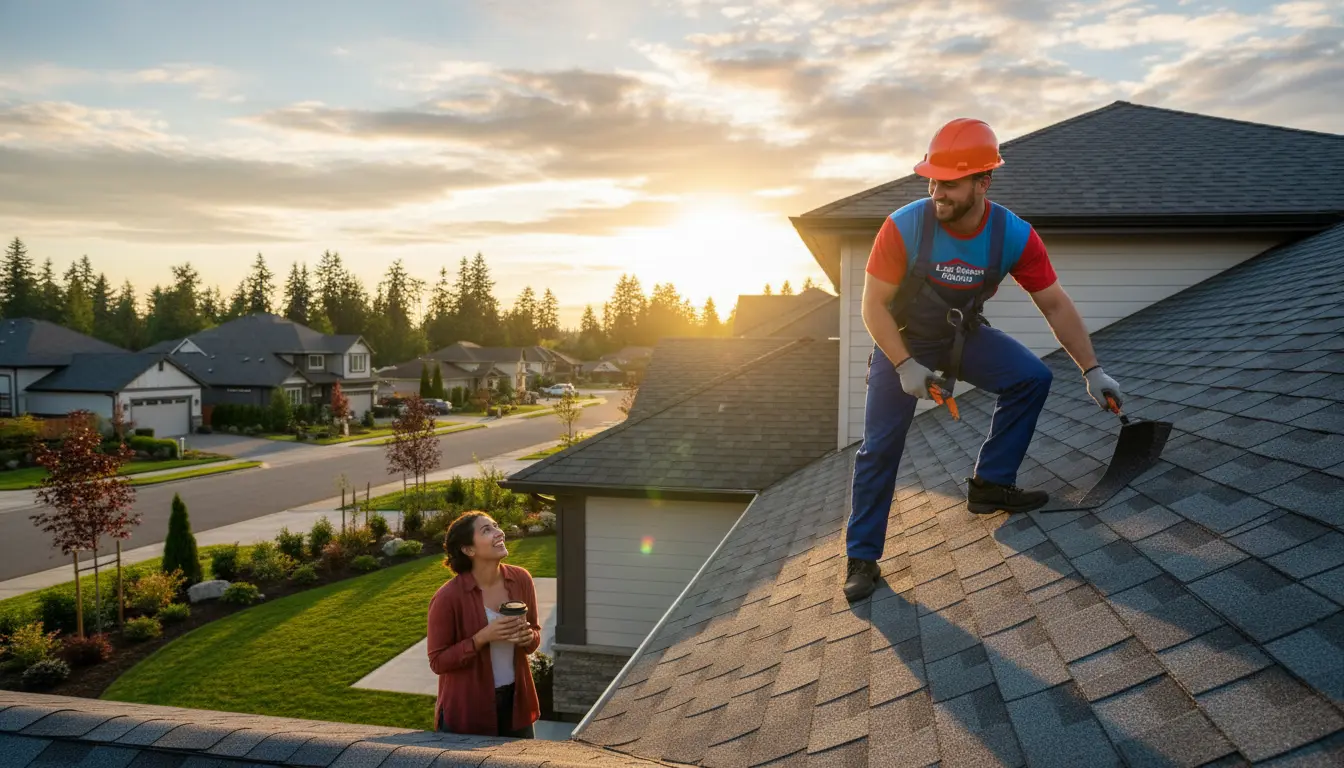
Despite the common perception that a roof’s primary function is to provide structural support, its role in protecting against the elements, particularly in areas like Lake Stevens with heavy seasonal rainfall, is often overlooked. In reality, a well-maintained roof is crucial in safeguarding the integrity of a building, and poor roof ventilation is a significant threat to this integrity. The consequences of neglecting roof ventilation can be severe, leading to issues such as premature aging, increased energy bills, and even structural damage. As a premier roofing service provider in the area, Lake Stevens Roofing emphasizes the importance of professional roof maintenance and timely replacement in the region’s unique climate.
The Lake Stevens climate, characterized by its wet and windy conditions, poses a unique set of challenges for roofing systems. The heavy rainfall and strong winds can cause significant wear and tear on roofs, highlighting the need for robust and well-maintained roofing solutions. Furthermore, the growth of moss and algae, common in the region’s damp environment, can compromise the integrity of roofing materials if not properly addressed. Regular inspections and maintenance by a professional roofing contractor are essential to identify and rectify these issues before they escalate into more serious problems.
Understanding the critical role of roof ventilation in maintaining the health and longevity of a roofing system is paramount. Proper ventilation helps regulate the temperature and moisture levels within the attic space, preventing the buildup of heat and moisture that can lead to damage. In areas like Lake Stevens, where the climate can be quite harsh, ensuring that roofs are ventilated correctly is vital to prevent issues such as ice dams, condensation, and the deterioration of roofing materials. For homeowners in Lake Stevens, it is recommended to consult with a professional roofing contractor to assess and improve their roof’s ventilation system, as outlined in our guidelines for the best roof ventilation solutions.
Warning Signs of Poor Roof Ventilation
Poor roof ventilation can manifest in several ways, making it crucial for homeowners to be aware of the warning signs. One of the most common indicators is the presence of ice dams during the winter months. Ice dams form when snow on the roof melts due to heat escaping from the living space and then refreezes at the roof’s edge, creating a barrier that prevents water from draining off the roof. This can lead to water backing up under the roof’s shingles, causing leaks and damage. Another sign is the appearance of moss or algae growth on the roof, which thrives in damp, poorly ventilated environments. Homeowners should also be vigilant for signs of condensation in the attic, such as water stains or dripping water, which can indicate poor ventilation.
In addition to these visible signs, poor roof ventilation can also lead to increased energy bills. When attics are not properly ventilated, they can become overly hot in the summer and cold in the winter, forcing heating and cooling systems to work harder and consume more energy. This not only increases utility bills but also reduces the lifespan of these systems. Furthermore, the moisture buildup due to poor ventilation can lead to the growth of mold and mildew, posing health risks to occupants. For those considering choosing the best roofing materials for their home, understanding the importance of ventilation in the context of material selection is key.
Professional Roof Replacement Workflow
The process of replacing a roof is complex and involves several critical steps. First, a comprehensive inspection is conducted to assess the condition of the roof, identifying any damaged, missing, or loose shingles, and evaluating the integrity of the flashing, chimney, and vents. This inspection also includes an evaluation of the attic space to check for signs of poor ventilation, such as condensation or mold growth. Following the inspection, the roof is prepared for replacement, which may involve removing existing roofing materials, inspecting and repairing the structural decking, and applying a new underlayment to protect against weathering.
The installation of new shingles or roofing material is then carefully executed, ensuring that all elements, including flashing around vents, chimneys, and skylights, are properly sealed. The use of attic ventilation upgrades can significantly enhance the performance and longevity of the new roof. Finally, a thorough cleanup is performed to remove all debris, and a final inspection is conducted to ensure the roof is watertight and functions as intended. For homeowners in need of emergency repairs, our guide on emergency roof repairs provides valuable insights and recommendations.
Data Comparison for Roofing Materials
When selecting roofing materials, homeowners must consider several factors, including durability, cost, and aesthetic appeal. A comparison between architectural shingles and 3-tab shingles, for instance, reveals distinct advantages and disadvantages of each. Architectural shingles offer enhanced durability and a more sophisticated appearance but at a higher cost. In contrast, 3-tab shingles are more budget-friendly but may not provide the same level of protection against extreme weather conditions.
| Feature/Metric | Architectural Shingles | 3-Tab Shingles |
|---|---|---|
| Wind Resistance Rating | Up to 120 mph | Up to 80 mph |
| Expected Lifespan | 30-50 years | 20-30 years |
| Cost per Square | $300-$500 | $200-$400 |
Source: NRCA Guidelines
Expert Insights for Roof Maintenance
Maintaining a roof requires more than just occasional inspections; it demands a proactive approach to prevent issues before they arise. One of the most critical aspects of roof maintenance is ensuring proper ventilation. This can be achieved through the installation of ridge vents, soffit vents, or power ventilators, depending on the roof’s design and the local climate. Regular cleaning of gutters and downspouts is also essential to prevent water accumulation and potential damage to the roof and foundation.
Another crucial aspect is the management of moss and algae growth. While these organisms may seem harmless, they can cause significant damage to roofing materials over time. The use of moss-killing products or manual removal methods can help control their growth. However, it’s essential to approach this task with caution to avoid damaging the roof. For homeowners looking to boost energy efficiency in their homes, incorporating green roofing solutions or solar panels can be a viable option, provided the roof is structurally sound and well-maintained.
Pricing Structures for Roofing Services
The cost of roofing services can vary widely depending on several factors, including the type of roofing material, the size of the roof, the complexity of the job, and the location. For instance, the cost per square (100 sq ft) of architectural shingles can range from $300 to $500, while 3-tab shingles might cost between $200 and $400 per square. Additionally, factors such as the need for tear-off, the condition of the structural decking, and the installation of flashing and ventilation systems can significantly influence the overall cost.
- Cost per roofing square: $200-$500
- Linear foot for gutters and fascia: $5-$15
- Minimum service fee for repairs: $200-$500
Safety and Standards in Roofing
Safety is paramount in the roofing industry, both for the contractors performing the work and for the homeowners whose properties are being serviced. Compliance with OSHA standards for fall protection, proper use of personal protective equipment, and adherence to manufacturer instructions for materials and tools are just a few of the safety protocols that must be followed. Additionally, ensuring that all work is done to code and meets local building standards is crucial for the longevity and integrity of the roof.
Frequently Asked Questions
What are the signs of a leaking roof?
Signs of a leaking roof can include water stains on ceilings or walls, dripping water, or the sound of dripping water. It’s essential to address leaks promptly to prevent further damage.
How often should I inspect my roof?
Regular roof inspections should be conducted at least twice a year, preferably in the spring and fall, to check for damaged, missing, or loose shingles, and to ensure that all flashing, vents, and chimneys are in good condition. After significant weather events, such as heavy rain or wind storms, an inspection is also recommended.
Can I repair my roof myself?
While minor repairs might seem feasible for a DIY approach, it’s generally recommended to hire a professional roofing contractor. Roofing work can be dangerous, and improper repairs can lead to more significant issues down the line, potentially voiding the roof’s warranty.
How long does a roof replacement take?
The duration of a roof replacement project depends on the size of the roof, the complexity of the job, and the weather conditions. On average, a roof replacement can take anywhere from a few days to a week or more. For more information on what to expect during a roof replacement during the rainy season, consult with a professional contractor.
Conclusion
In conclusion, the importance of proper roof ventilation and maintenance cannot be overstated, especially in areas like Lake Stevens with distinct climate challenges. By understanding the warning signs of poor roof ventilation and taking proactive steps to address them, homeowners can protect their investment, ensure the longevity of their roof, and prevent costly repairs. For those in need of professional roofing services, from repairs to full replacements, consulting with a reputable and experienced contractor is the first step towards a secure and weather-tight home. At Lake Stevens Roofing, we pride ourselves on providing top-notch services, including roof repair in Lake Stevens, WA, to meet the unique needs of our community.
By choosing Lake Stevens Roofing, homeowners can rest assured that their roofing needs are met with professionalism, expertise, and a commitment to quality. Whether you’re looking to schedule an annual roof inspection or are in need of emergency roof repairs, our team is dedicated to providing the highest level of service. Contact us today to learn more about how we can help you protect your home and investment.
For more information on our services and to stay updated on the latest roofing trends and tips, visit our blog or contact us directly. At Lake Stevens Roofing, we’re committed to helping you make informed decisions about your roof and to providing the best possible solutions for your unique roofing needs.