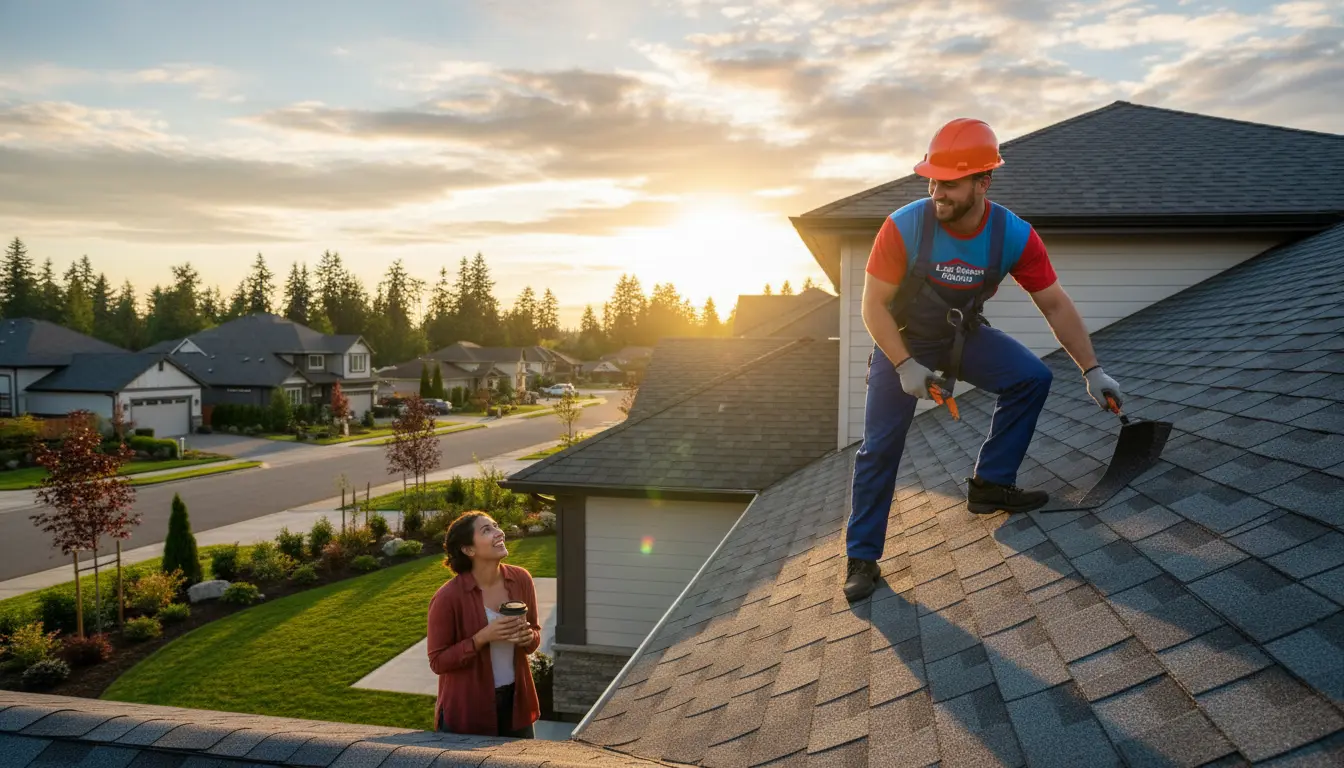
In the evergreen landscapes of Washington state, where rainy days and mild winters define our weather, homeowners in Lake Stevens are increasingly focused on roofs that do more than just shield from the elements. Imagine slashing your energy bills while contributing to a sustainable future—all from the top of your home. As we dive into 2024 roofing trends, Lake Stevens Roofing highlights how innovative materials and techniques can transform your roof into an energy-saving powerhouse. Whether you’re in the heart of Lake Stevens or nearby areas like South Lake Stevens, these trends are tailored to our local climate.
Why Energy Efficiency Matters in Washington State
Washington’s unique climate—frequent rain, cool temperatures, and occasional heat waves—makes energy-efficient roofing a smart investment. In Lake Stevens, where homes often battle moisture and temperature fluctuations, inefficient roofs can lead to higher heating and cooling costs. According to recent studies, proper roofing upgrades can reduce energy consumption by up to 20%, helping you save hundreds annually.
Local Climate Challenges in Lake Stevens
Nestled near the Snohomish River, Lake Stevens experiences heavy rainfall and foggy mornings that test any roof’s durability. Poor insulation can trap heat in summer or let it escape in winter, driving up utility bills. By adopting 2024 trends, residents can combat these issues head-on. For instance, if your roof has suffered from recent storms, consider our storm damage repair services to ensure it’s primed for efficiency upgrades.
Top 2024 Roofing Trends for Energy Savings
This year, roofing innovations emphasize sustainability and performance. From reflective materials to integrated tech, here’s what’s shaping the industry.
Cool Roofs: Reflecting Heat Away
Cool roofs, coated with reflective materials, bounce sunlight away, keeping your home cooler in summer. In Washington, where temperatures can spike unexpectedly, these roofs reduce air conditioning needs by 10-15%. Opt for white or light-colored asphalt shingles or metal roofing with cool coatings. Lake Stevens Roofing recommends them for their longevity in our wet climate—lasting 30+ years with minimal maintenance.
Practical Tip: During installation, pair cool roofs with attic ventilation upgrades to maximize airflow and prevent heat buildup. This combo can lower attic temperatures by 30 degrees, directly impacting your energy use.
Solar-Integrated Roofing Systems
Solar panels aren’t just add-ons anymore; 2024 sees them seamlessly integrated into roofing materials like solar shingles. In sunny pockets of Clearview, just minutes from Lake Stevens, these systems generate clean energy while protecting your home. Expect ROI in 5-7 years through federal incentives and reduced bills.
Actionable Advice: Assess your roof’s south-facing slope for optimal solar capture. Lake Stevens Roofing can evaluate compatibility during a free inspection, ensuring your setup aligns with WA’s net metering policies.
Advanced Insulation and Underlayment
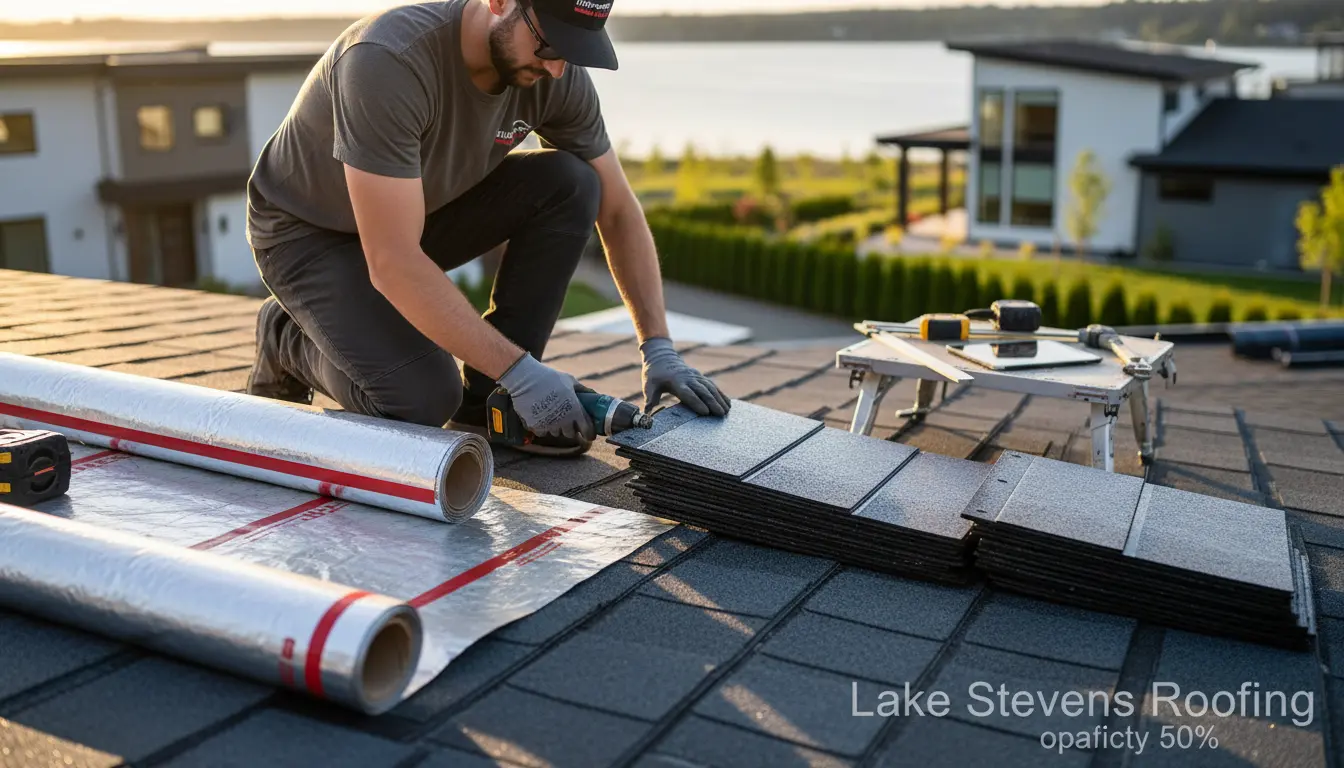
Gone are the days of basic felt underlayment. New synthetic options with built-in insulation barriers seal gaps and enhance thermal performance. For Lake Stevens homes with steep pitches, these materials prevent ice dams in winter—a common issue here.
Practical Tip: Choose underlayments with high R-values (thermal resistance). Combine with gutter installation to manage rainwater flow, reducing moisture infiltration that undermines insulation.
Green Roofs and Vegetative Layers
For eco-conscious homeowners, green roofs covered in drought-resistant plants offer natural insulation. In urbanizing areas like Lynnwood, these absorb rainwater, cutting stormwater runoff—a boon for Lake Stevens’ watershed.
Actionable Advice: Start small with modular green panels if a full vegetative roof seems daunting. They improve air quality and can qualify for local green building rebates in Snohomish County.
Smart Roofing Technologies
IoT-enabled roofs with sensors monitor energy loss, leaks, and ventilation in real-time via apps. Imagine getting alerts before a minor issue escalates, saving on repairs and energy.
Practical Tip: Integrate smart vents during re-roofing. For commercial properties in Everett, explore our commercial roofing services that include these tech features for large-scale efficiency.
Implementing These Trends: Step-by-Step Guide
Upgrading doesn’t have to be overwhelming. Follow these steps tailored for Lake Stevens residents:
-
Assess Your Current Roof: Schedule an inspection to identify inefficiencies. In rainy WA, look for signs of wear like granule loss or sagging.
-
Choose Materials Wisely: Prioritize ENERGY STAR-rated products. For sloped roofs common in Lake Stevens, metal or composite shingles excel in energy retention.
-
Hire Local Experts: Partner with trusted pros like Lake Stevens Roofing, who understand our Pacific Northwest specifics. We serve from Monroe to Lake Stevens, ensuring quick response times.
-
Incorporate Complementary Features: Add skylight installation for natural light, reducing daytime energy use by up to 20%.
-
Monitor and Maintain: Annual checks keep efficiency high. Use de-icing cables in winter to prevent dam formation.
These steps not only boost savings but also increase home value—energy-efficient roofs can add 5-7% to resale prices in our area.
FAQ: Common Questions About Energy-Efficient Roofing in WA
What are the best roofing materials for energy efficiency in Lake Stevens?
Reflective metal roofs and insulated asphalt shingles top the list. They handle our rainfall while minimizing heat gain. Lake Stevens Roofing can recommend options based on your home’s architecture.
How much can I save on energy bills with these trends?
Homeowners typically see 15-25% reductions, depending on the upgrade. In WA, pair with insulation rebates from Puget Sound Energy for even more savings.
Are there incentives for energy-efficient roofs in Washington?
Yes! Federal tax credits via the Inflation Reduction Act cover up to 30% of solar-integrated roofs. State programs like WA’s energy efficiency grants also apply—check eligibility during your consult.
How long do energy-efficient roofs last in our climate?
With proper installation, 25-50 years. Our wet weather accelerates wear, so regular maintenance is key.
Can older homes in Lake Stevens benefit from these trends?
Absolutely. Retrofits like added insulation or cool coatings work well without full replacement, preserving historic charm in neighborhoods like North Lake Stevens.
Conclusion: Elevate Your Home with Lake Stevens Roofing
As 2024 unfolds, embracing energy-efficient roofing trends isn’t just about trends—it’s about smarter living in Washington. From cool roofs that beat the heat to solar systems powering your future, these innovations promise comfort, savings, and sustainability. In Lake Stevens, where community and environment matter, Lake Stevens Roofing is your partner in building resilient homes.
Ready to boost your roof’s efficiency? Contact us today at (425) 873-8545 for a no-obligation assessment. Let’s make your home greener together!