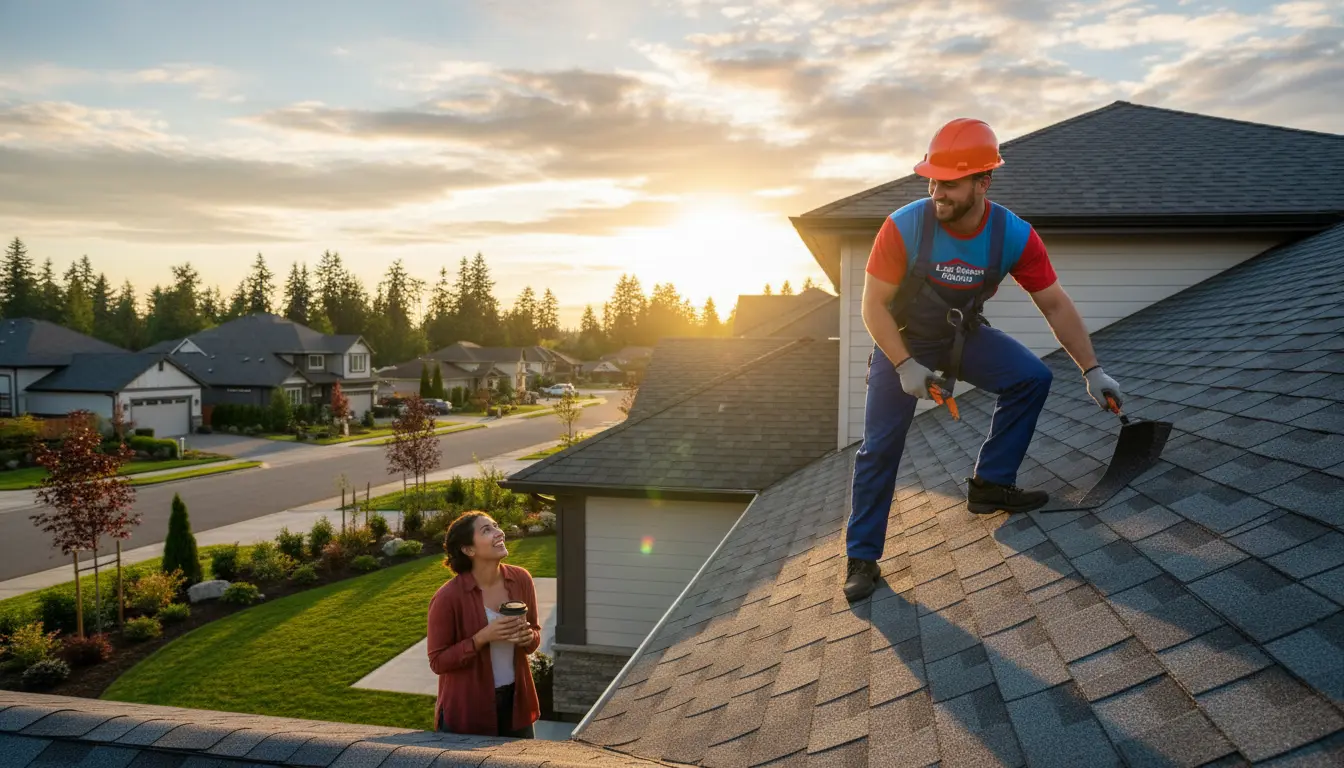
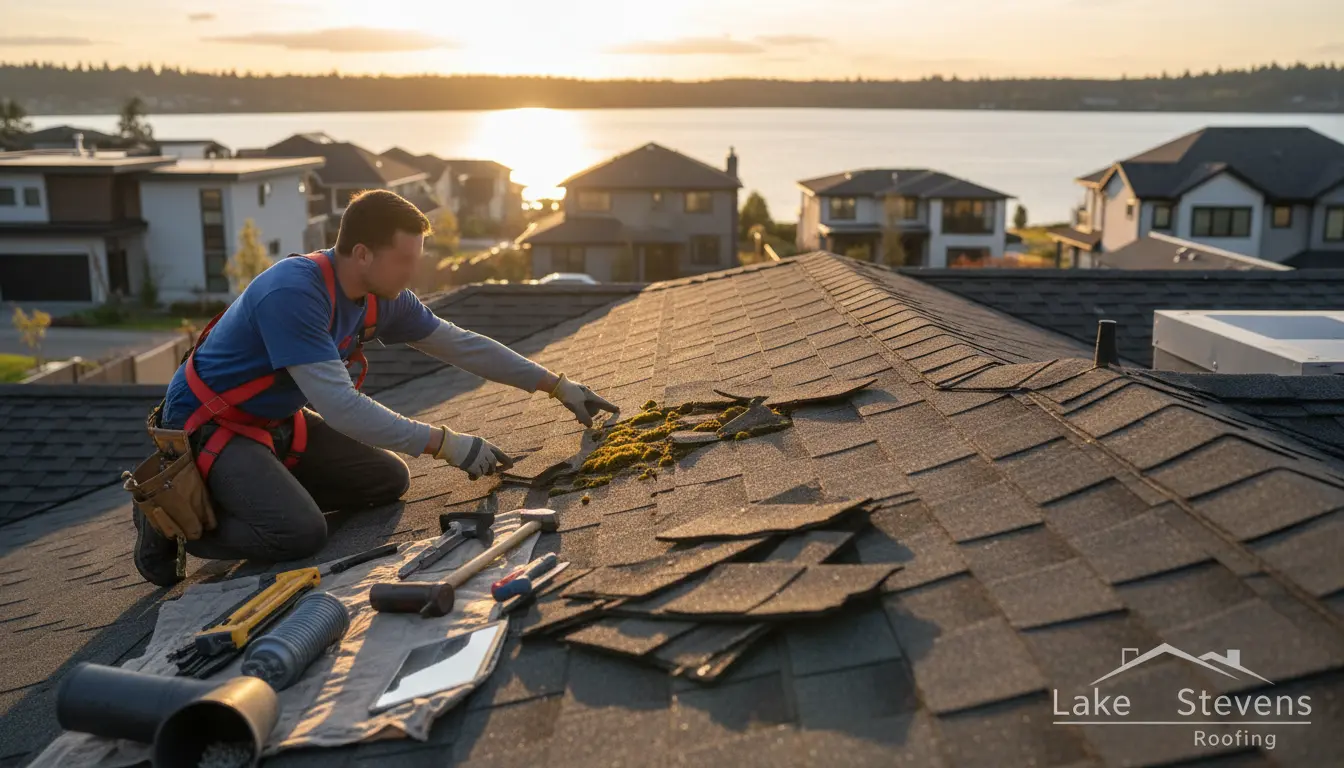
Living in Lake Stevens, WA, means enjoying stunning views of the lake and surrounding forests, but our region’s wet climate and occasional heavy winds can take a toll on your home’s most important shield: your roof. As a homeowner, ignoring subtle signs of wear can lead to costly water damage, mold growth, or even structural issues. At Lake Stevens Roofing, we’ve seen it all—from minor leaks to full replacements—and we’re here to help you identify problems before they escalate.
In this guide, we’ll walk you through the five most common signs that your roof requires immediate attention. Whether you’re dealing with the relentless Pacific Northwest rain or the occasional storm, knowing these indicators can protect your investment. If you’re in Lake Stevens and suspect trouble, our local team is ready to assist. Keep reading to learn how to spot issues and what to do next.
Why Regular Roof Checks Matter in Lake Stevens
Lake Stevens’ temperate maritime climate brings abundant rainfall, averaging over 50 inches annually, which accelerates roof aging. Combined with tree debris from the nearby evergreens and wind gusts up to 40 mph during winter storms, roofs here face unique challenges. Neglecting maintenance can lead to insurance claims spiking—last year alone, local homeowners reported a 20% increase in water-related damages according to regional reports.
The Cost of Delay
Procrastinating on repairs might seem harmless, but in Lake Stevens, where humidity fosters mold, small issues can balloon. A minor leak ignored could cost $1,000 in drywall repairs, while a full roof installation might run $10,000–$20,000 depending on your home’s size. Early detection saves money and stress.
Sign 1: Missing or Damaged Shingles
One of the most visible red flags is missing or curling shingles. In Lake Stevens, high winds from northerly gusts off the lake can loosen asphalt shingles, especially on older roofs.
How to Spot It
Walk around your home after a storm and look for bald patches on the roofline. From the ground, use binoculars to check for shingles that are cracked, cupped, or lifting at the edges. Granules in your gutters—those gritty bits—are another clue, as they erode from weathering.
Actionable Advice
Don’t climb up yourself if you’re unsure; safety first. Instead, call a professional for a close-up inspection. At Lake Stevens Roofing, we recommend annual checks, especially post-winter. If damage is widespread, it might be time to explore roof installation options tailored to our local weather.
Sign 2: Leaks and Water Stains
Water is the enemy of any roof, and in rainy Lake Stevens, leaks are common culprits for interior damage.
Identifying Leaks
Check your attic for dark water stains on rafters or insulation. Yellowish-brown spots on ceilings below the roof indicate penetration. Even if it’s dry outside, past leaks leave telltale signs like musty odors or peeling paint.
Practical Tips
Place a bucket under suspected areas during rain to confirm. Seal minor flashing issues around chimneys with roofing caulk, but for persistent leaks, professional intervention is key. Our Lake Stevens roofing specialists use advanced leak detection tools to pinpoint and fix problems without full tear-offs.
Ignoring this can lead to rot in wooden beams, a serious issue in our damp climate. Act fast to avoid escalation.
Sign 3: Sagging Roof Deck
A roof that dips or sags signals structural weakness, often from prolonged water exposure or age.
What Causes It
In Lake Stevens, heavy snow loads from rare winter dumps or saturated shingles weaken the decking over time. Look for a concave appearance from the ground or inside the attic—uneven joists or soft spots underfoot.
Steps to Take
Never ignore a sagging roof; it could collapse under weight. Schedule an urgent assessment. We at Lake Stevens Roofing reinforce decks during repairs, ensuring compliance with local building codes. If severe, combining this with roof installation provides a long-term solution.
Sign 4: Granule Loss and Bare Spots
Shingles lose their protective granules like sand through an hourglass, exposing the underlying material to UV rays and rain.
Spotting the Problem
Examine gutters for excessive black granules after rain. On the roof, bare spots appear as smooth, vulnerable areas. In Lake Stevens’ sunny summers, this accelerates deterioration.
Prevention and Repair
Clean gutters regularly to monitor buildup. For repairs, we apply sealant to affected areas or replace sections. Regular maintenance, like our seasonal tune-ups for Lake Stevens homes, can extend your roof’s life by 5–10 years.
Sign 5: Damaged Flashing and Vent Issues
Flashing around vents, chimneys, and skylights seals edges, but corrosion or poor installation leads to failures.
Common Issues in Our Area
Lake Stevens’ moss growth from shady, moist conditions clings to flashing, trapping moisture. Check for rust, cracks, or gaps—water enters here first during downpours.
Fixing It Right
Replace corroded flashing with durable materials like galvanized steel. Our team inspects all penetrations during routine visits. If vents are clogged with leaves from local pines, clear them to improve airflow and prevent ice dams in colder snaps.
Additional Tips for Lake Stevens Homeowners
Beyond these signs, trim overhanging branches to reduce debris, and ensure proper attic ventilation to combat humidity. Invest in moss-resistant treatments suited to our evergreen environment. For comprehensive care, consider our Lake Stevens area services, where we prioritize eco-friendly materials.
When to Call the Pros
If you notice any of these signs, don’t DIY major fixes—roofs are hazardous. Contact Lake Stevens Roofing for a no-obligation inspection. We’re familiar with local permits and weather patterns, ensuring repairs withstand our climate.
FAQ: Common Questions About Roof Repairs in Lake Stevens
How Often Should I Inspect My Roof in Lake Stevens?
We recommend twice-yearly checks: spring after winter storms and fall before rains. In Lake Stevens, with its variable weather, annual professional inspections catch issues early.
What Causes Most Roof Problems Here?
Rain, wind, and moss are top culprits. Our roofing services in Lake Stevens address these with targeted solutions.
How Much Does a Roof Repair Cost?
Minor fixes start at $200–$500, while extensive work varies. Get a free quote from us to budget accurately.
Can I Repair My Roof Myself?
Small patches yes, but for safety and longevity, pros handle it. Our experts use warranties on all work.
How Long Do Roofs Last in This Climate?
20–30 years with maintenance, but Lake Stevens’ conditions may shorten it—regular care helps.
Conclusion: Protect Your Lake Stevens Home Today
Your roof is your home’s first line of defense against Lake Stevens’ unpredictable weather. By recognizing these five signs—missing shingles, leaks, sagging, granule loss, and flashing damage—you can act proactively and avoid disasters. At Lake Stevens Roofing, we’re committed to serving our community with reliable, high-quality repairs and installations.
Don’t let small problems become big headaches. Call us today at (425) 873-8545 for a free inspection, or contact our Lake Stevens team online. Safeguard your home—schedule now and enjoy peace of mind!