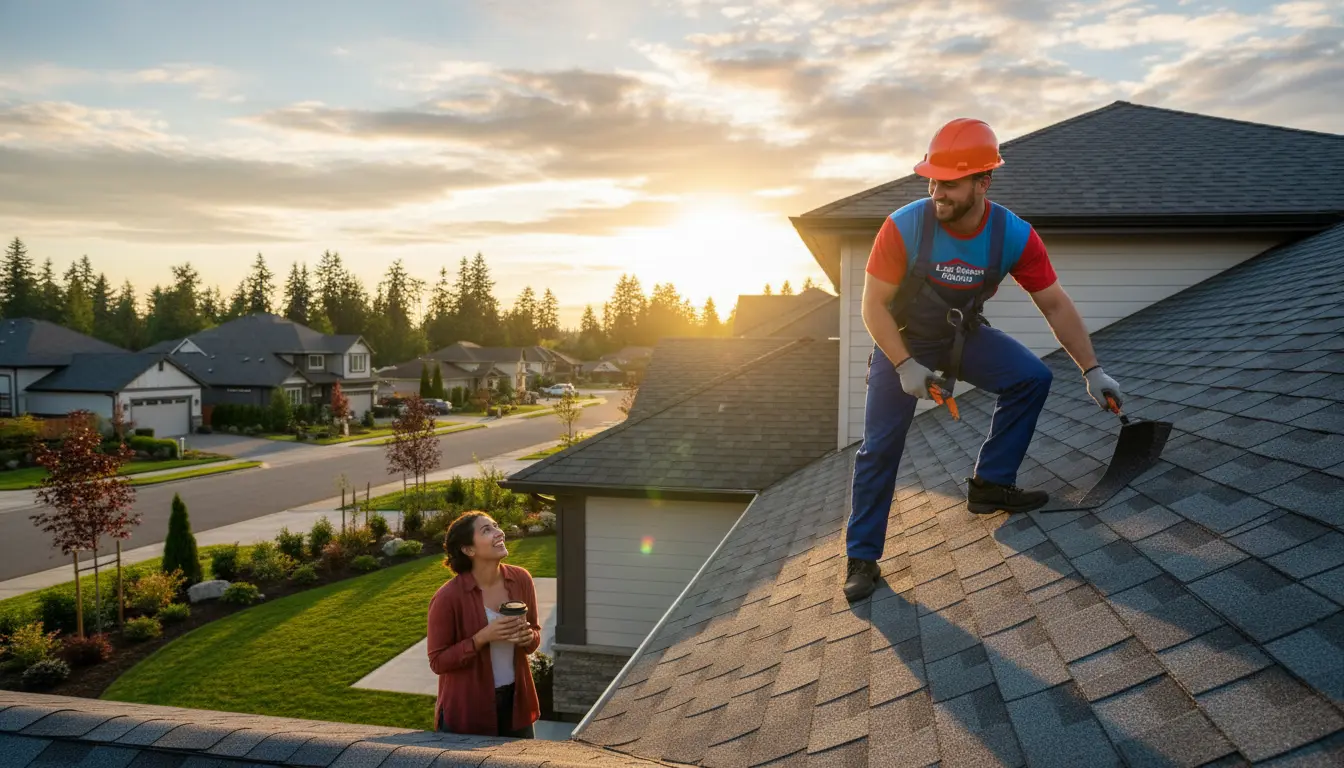
Living in the Pacific Northwest means dealing with a unique climate: relentless rain, mild winters with occasional snow, and gusty winds that can test any roof’s resilience. If you’re a homeowner in Lake Stevens, you know how crucial it is to select roofing materials that stand up to Washington State’s unpredictable weather. At Lake Stevens Roofing, we’ve helped countless residents protect their homes from leaks and damage caused by our damp environment. In this guide, we’ll walk you through the key factors to consider, highlight top material options, and provide practical advice to ensure your roof lasts for decades. Whether you’re planning a full roof installation or just exploring upgrades, read on to make an informed choice.
Understanding Washington State’s Climate Challenges
Washington weather, especially around Lake Stevens in Snohomish County, is defined by high moisture levels and temperature fluctuations. Annual rainfall can exceed 40 inches, leading to moss growth, water pooling, and potential structural issues if your roof isn’t up to par. Add in winter winds up to 50 mph and the occasional ice dam, and it’s clear why standard materials often fall short.
Key Weather Factors in Lake Stevens
- Heavy Precipitation: Our area’s proximity to the Cascades means frequent downpours. Roofs must have excellent water-shedding properties to prevent leaks.
- Mild but Wet Winters: Temperatures rarely drop below freezing for long, but humidity fosters mold and algae.
- Wind and Debris: Fall storms bring flying branches, so impact resistance is essential.
- UV Exposure: Summer sun, though mild, can degrade certain materials over time.
Choosing materials that address these elements not only extends your roof’s life but also boosts energy efficiency and home value. For instance, in nearby Everett, we’ve seen improper roofs lead to costly roof leak detection services—don’t let that be you.
Top Roofing Materials Suited for WA Weather
Not all roofing materials are created equal, especially in a wet climate like ours. Here, we break down the best options, their pros, cons, and why they work well for Lake Stevens properties.
Asphalt Shingles: Affordable and Versatile
Asphalt shingles are a popular choice for Washington homes due to their cost-effectiveness and adaptability. They’re composed of fiberglass mats coated with asphalt and mineral granules, offering solid protection against rain.
Pros:
- Excellent water resistance, ideal for our rainy seasons.
- Wide range of colors and styles to match Lake Stevens’ suburban aesthetic.
- Budget-friendly, with installation costs starting around $4-6 per square foot.
Cons:
- Lifespan of 20-30 years; may curl or crack in extreme wind.
- Susceptible to moss in shaded areas—regular maintenance is key.
Tip: Opt for architectural shingles with reinforced edges for better wind resistance. At Lake Stevens Roofing, we recommend them for most gutter installation projects to ensure proper drainage.
Metal Roofing: Durable and Long-Lasting
For homeowners seeking longevity, metal roofing—made from steel, aluminum, or copper—is unbeatable in WA’s climate. It reflects heat, resists corrosion, and handles heavy rain without issue.
Pros:
- Lasts 40-70 years, far outpacing other materials.
- Lightweight yet strong, perfect for withstanding Lake Stevens’ windy conditions.
- Eco-friendly and recyclable; reduces cooling costs in summer.
Cons:
- Higher upfront cost ($8-14 per square foot).
- Can be noisy during rain, though insulation mitigates this.
Tip: Choose standing seam metal panels for seamless water runoff. We’ve installed these on homes in Clearview to combat ice dams effectively.
Composite or Synthetic Shakes: Aesthetic Appeal with Modern Durability
If you love the look of traditional cedar shakes but want something low-maintenance, composite shakes made from recycled materials are a smart pick for WA weather.
Pros:
- Mimics wood’s charm while resisting rot and insects common in our humid area.
- Fire-resistant and impact-rated for wind-blown debris.
- 30-50 year warranty, with minimal upkeep.
Cons:
- More expensive than asphalt ($10-15 per square foot).
- Heavier, requiring structural assessment before installation.
Tip: Pair with proper attic ventilation upgrade to prevent moisture buildup in Lake Stevens’ foggy mornings.
Tile Roofing: Premium Option for Mediterranean Vibes
Clay or concrete tiles offer a classy, enduring solution, though they’re less common in WA due to weight and cost. They’re excellent for heat dissipation and water resistance.
Pros:
- Extremely durable (50+ years) against rain and UV.
- Adds significant curb appeal to homes in upscale Monroe neighborhoods.
Cons:
- Heavy; may need roof reinforcement.
- Slippery when wet, posing installation challenges.
Tip: Ideal for south-facing roofs in sunnier parts of Snohomish County, but ensure professional installation to avoid cracks from settling.
Practical Tips for Selecting and Maintaining Your Roof
Beyond material choice, consider these actionable steps to optimize your roofing decision for WA’s weather.
Assess Your Home’s Specific Needs
Evaluate your roof’s pitch, orientation, and age. Steeper roofs in Lake Stevens’ hilly terrain suit metal or tile better, while flatter ones benefit from asphalt. Consult local building codes, which emphasize wind uplift ratings (at least 110 mph).
Budget and Long-Term ROI
While cheaper options like asphalt save upfront, investing in metal can cut repair costs over time. Factor in energy savings—reflective materials lower AC use in summer. For roof repair in Lynnwood, we’ve seen ROI in under 10 years.
Maintenance Best Practices
- Annual Inspections: Check for moss, loose granules, or flashing damage post-rainy season.
- Moss Prevention: Use zinc strips or soft washing to keep algae at bay without harsh chemicals.
- Professional Help: Schedule tune-ups with experts like Lake Stevens Roofing to catch issues early.
Pro Tip: Integrate smart features like solar-ready underlayment for future-proofing your Lake Stevens home.
FAQ: Common Questions About Roofing Materials in WA
What is the most durable roofing material for rainy Washington weather?
Metal roofing tops the list for its corrosion resistance and longevity, making it ideal for Lake Stevens’ wet climate. It outperforms asphalt in heavy rain scenarios.
How often should I replace my roof in Lake Stevens?
Depending on the material, every 20-50 years. Factors like exposure to Lake Stevens winds accelerate wear—get a professional assessment annually.
Are there eco-friendly roofing options for WA homes?
Yes! Recycled composite shakes and cool metal roofs reduce environmental impact while handling our moisture levels effectively.
Can I install roofing materials myself?
We strongly advise against DIY for WA’s complex weather. Professional installation ensures warranties and code compliance—contact Lake Stevens Roofing for expert service.
How does WA weather affect roof warranties?
Most warranties cover defects but exclude weather-related damage. Choose impact-rated materials and maintain them to preserve coverage.
Conclusion: Protect Your Lake Stevens Home Today
Selecting the right roofing materials for Washington State’s challenging weather is an investment in your home’s safety and comfort. From durable metal to versatile asphalt, the options are plentiful, but local expertise makes all the difference. At Lake Stevens Roofing, we’re committed to helping Lake Stevens residents weather any storm with roofs built to last. Ready to upgrade? Call us at (425) 873-8545 for a free consultation and personalized recommendations tailored to your needs.