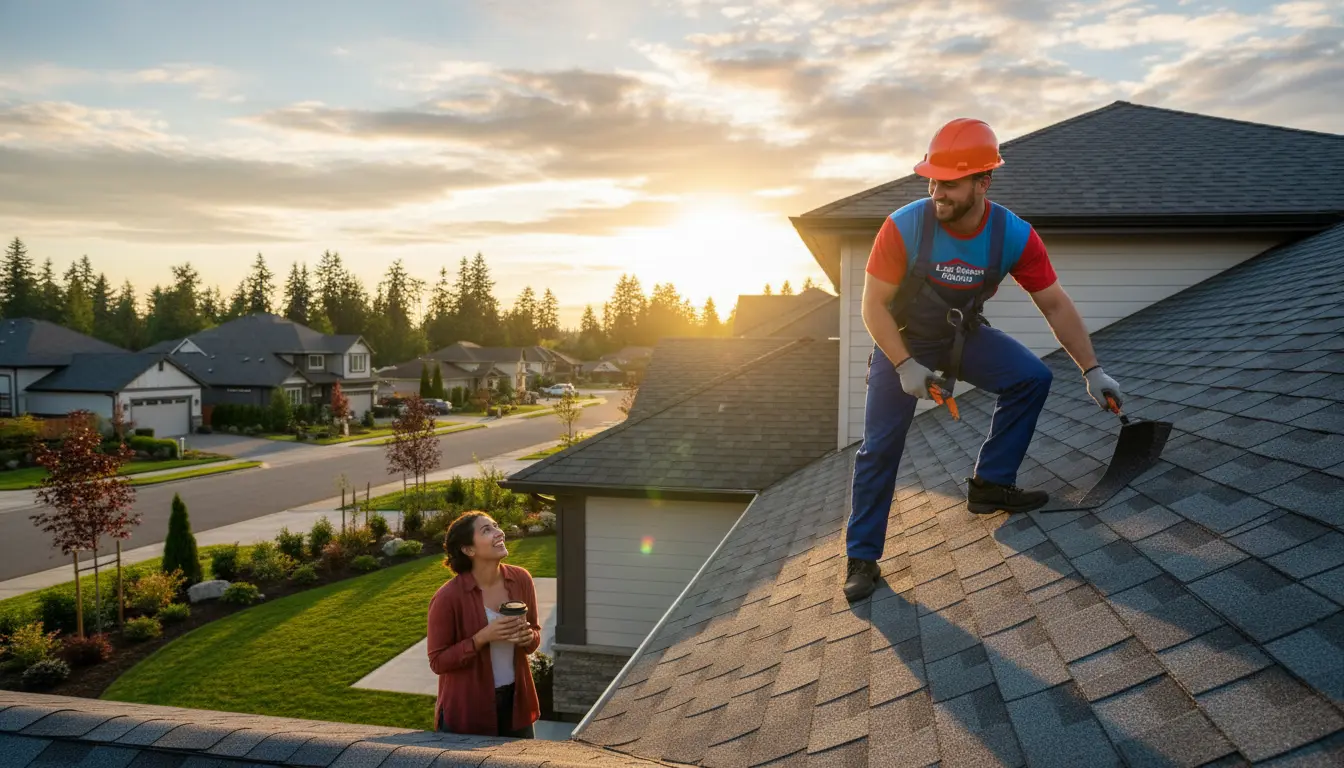
Living in Lake Stevens means enjoying stunning views of the lake and surrounding forests, but it also comes with unique challenges for homeowners—like frequent rain, wind, and occasional heavy snow. Your roof bears the brunt of these elements, and proper maintenance is key to protecting your home and avoiding costly repairs. At Lake Stevens Roofing, we’ve helped countless homeowners in the area keep their roofs in top shape. In this comprehensive guide, we’ll walk you through everything you need to know about roof maintenance tailored to our local climate. Whether you’re a new homeowner or just looking to refresh your routine, these tips will help you extend your roof’s lifespan and maintain peace of mind.
Why Roof Maintenance Matters in Lake Stevens
Lake Stevens’ temperate climate, with its wet winters and mild summers, can accelerate roof wear and tear. Moss growth from high humidity, ice dams in colder months, and UV exposure during sunny spells are common issues here. Neglecting maintenance can lead to leaks, structural damage, and even mold inside your home—problems that are especially prevalent in our rainy Pacific Northwest region.
Regular upkeep not only prevents these headaches but also boosts your home’s energy efficiency and property value. According to industry experts, a well-maintained roof can last 20-30 years, depending on the material. For Lake Stevens residents, investing time (or hiring pros like us) in maintenance pays off big in the long run.
Understanding Your Roof Type
Before diving into maintenance, identify your roof type. Asphalt shingles are popular in Lake Stevens for their affordability and durability against rain. Metal roofs handle wind better, while tile or cedar shake adds a classic Northwest aesthetic but requires more care against moss.
If you’re unsure about your roof’s material or condition, consider a professional assessment. Our team at Lake Stevens Roofing specializes in evaluating roofs suited to local homes.
Seasonal Roof Maintenance Checklist
Tailor your maintenance to Lake Stevens’ seasons for the best results. Here’s a practical, step-by-step guide to keep your roof resilient year-round.
Spring: Clean and Inspect After Winter
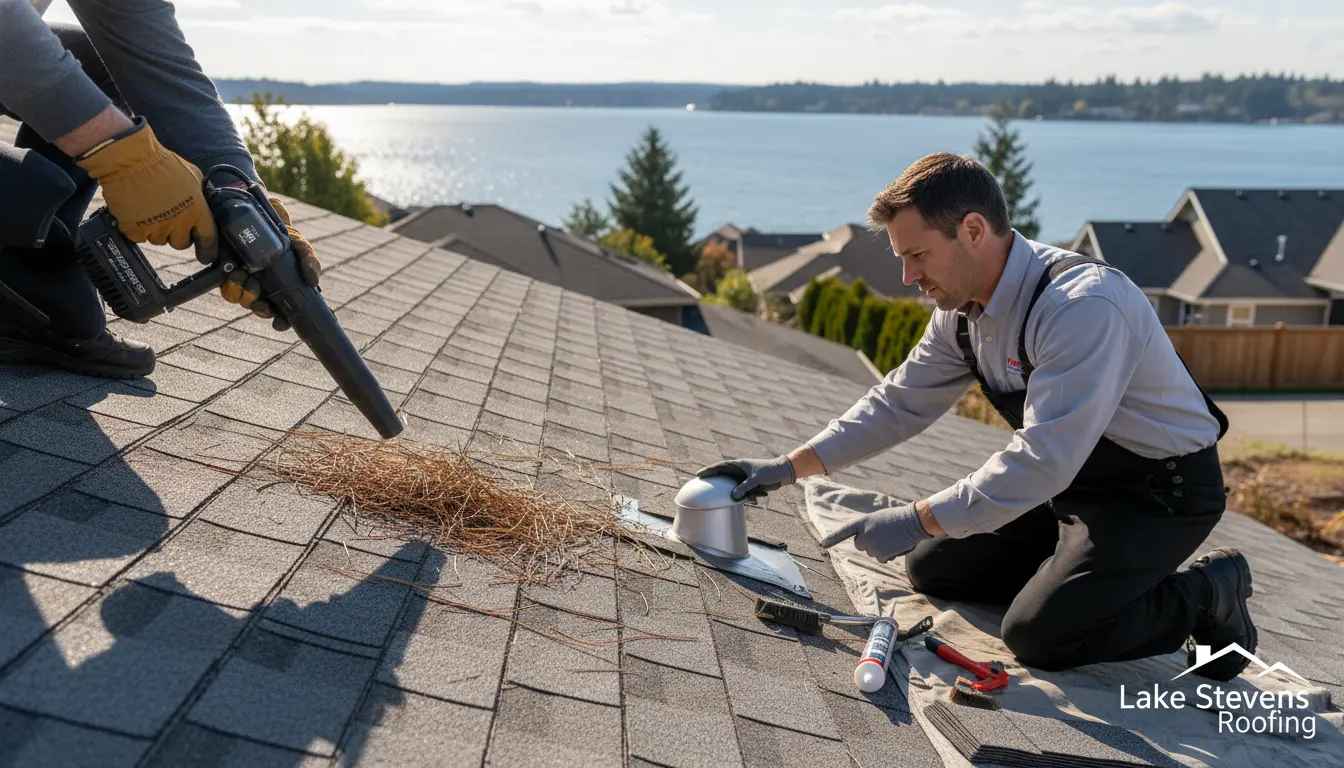
Spring in Lake Stevens brings blooming flowers but also reveals winter’s damage. Start by clearing debris from gutters and downspouts—fallen leaves and pine needles from nearby evergreens can clog them, leading to water backup.
- Actionable Tip: Use a leaf blower or soft-bristle brush to gently remove buildup. Avoid high-pressure washing, which can damage shingles.
- Inspect for loose or missing shingles, especially around soffit and fascia, where water can seep in.
- Trim overhanging branches to prevent scraping during windy days.
Schedule an early spring inspection to catch issues like ice dam residue, which is common after our occasional freezes.
Summer: Protect Against Heat and UV
Summers here are pleasant but can dry out roofing materials. Heat causes expansion and contraction, potentially cracking seals.
- Actionable Tip: Check flashing around chimneys and vents for cracks; reseal with high-quality caulk rated for roofing.
- Look for signs of algae or moss—our humid air promotes growth. Apply a moss-killing solution safe for local ecosystems, like one with zinc strips to prevent recurrence.
- If you’re adding features, explore skylight installation to bring in natural light without compromising integrity.
Stay proactive to avoid summer storms turning minor cracks into major leaks.
Fall: Prepare for Rainy Season
Autumn foliage is beautiful in Lake Stevens, but falling leaves mean more gutter work. Our heavy fall rains test your roof’s waterproofing.
- Actionable Tip: Install gutter guards to reduce cleaning frequency. Test downspouts by running water through them.
- Examine attic ventilation; poor airflow can lead to moisture buildup. Ensure vents are clear of nests from local wildlife.
- For comprehensive checks, especially if you’re in a windy spot near the lake, consider our emergency roof services for peace of mind.
Winter: Monitor for Ice and Snow
While Lake Stevens winters are milder than inland areas, snow and ice still pose risks, particularly on north-facing slopes.
- Actionable Tip: Keep an eye on icicles forming along eaves—they signal ice dams. Use calcium chloride pellets (not rock salt, which corrodes) to melt them safely.
- Avoid walking on the roof; use binoculars for distant inspections.
- Insulate your attic to prevent heat loss that contributes to dams.
If damage occurs, don’t delay—contact professionals immediately to prevent interior water issues.
Common Roof Problems in Lake Stevens and How to Fix Them
Local homeowners often face specific challenges due to our environment. Here’s how to spot and address them.
Moss and Algae Growth
The damp climate fosters moss, which lifts shingles and traps moisture.
- Fix: Gently scrape off moss with a putty knife, then apply an eco-friendly cleaner. Install zinc or copper strips along the ridge to inhibit regrowth naturally.
Leaks from Wind Damage
Gusty winds off the lake can loosen materials.
- Fix: Secure loose shingles with roofing cement. For extensive damage, opt for roof installation using wind-resistant materials.
Gutter and Flashing Issues
Clogged systems overflow, eroding your foundation.
- Fix: Regularly clean and repair soffit and fascia to direct water away properly.
If problems persist, our experts can diagnose underlying issues unique to Lake Stevens properties.
DIY vs. Professional Maintenance
While basic tasks like gutter cleaning are DIY-friendly, complex work requires pros. In Lake Stevens, where roofs often span sloped lots, safety is paramount—falls are a leading cause of injury.
Hire certified roofers for inspections, especially if your home is in a neighborhood like those near Hartford or near the water. At Lake Stevens Roofing, we use drones for non-invasive checks, ensuring thoroughness without risk.
We proudly serve not just Lake Stevens but also nearby communities like Snohomish and Everett, bringing local expertise to every job.
FAQ: Roof Maintenance Questions for Lake Stevens Homeowners
How Often Should I Inspect My Roof in Lake Stevens?
We recommend biannual inspections—in spring and fall—plus after major storms. For older roofs (15+ years), annual professional checks are ideal.
What Are the Signs of Roof Damage I Should Watch For?
Look for curled shingles, granule loss in gutters, interior stains, or sagging areas. In our wet climate, attic dampness is a red flag.
Can I Prevent Ice Dams on My Lake Stevens Home?
Yes, by improving insulation and ventilation. Keep gutters clear and consider heated cables for eaves if ice is recurrent.
How Much Does Roof Maintenance Cost Locally?
DIY tasks are low-cost, but professional inspections start at $150-300. Full repairs vary, but early action saves thousands.
When Should I Replace My Roof Entirely?
If it’s over 20 years old, shows multiple leaks, or half the shingles are damaged, replacement time has come. Consult us for a free evaluation.
Conclusion: Secure Your Lake Stevens Roof Today
Maintaining your roof isn’t just about fixing problems—it’s about protecting the heart of your home against Lake Stevens’ unpredictable weather. By following this guide, you’ll stay ahead of issues and enjoy worry-free living. But remember, nothing beats expert eyes for comprehensive care.
Ready to get started? Contact Lake Stevens Roofing at (425) 873-8545 for a free consultation. Whether it’s routine maintenance or addressing concerns in areas like Mill Creek, we’re here to help. Don’t wait for the next rain—schedule your inspection now and keep your home safe and sound!