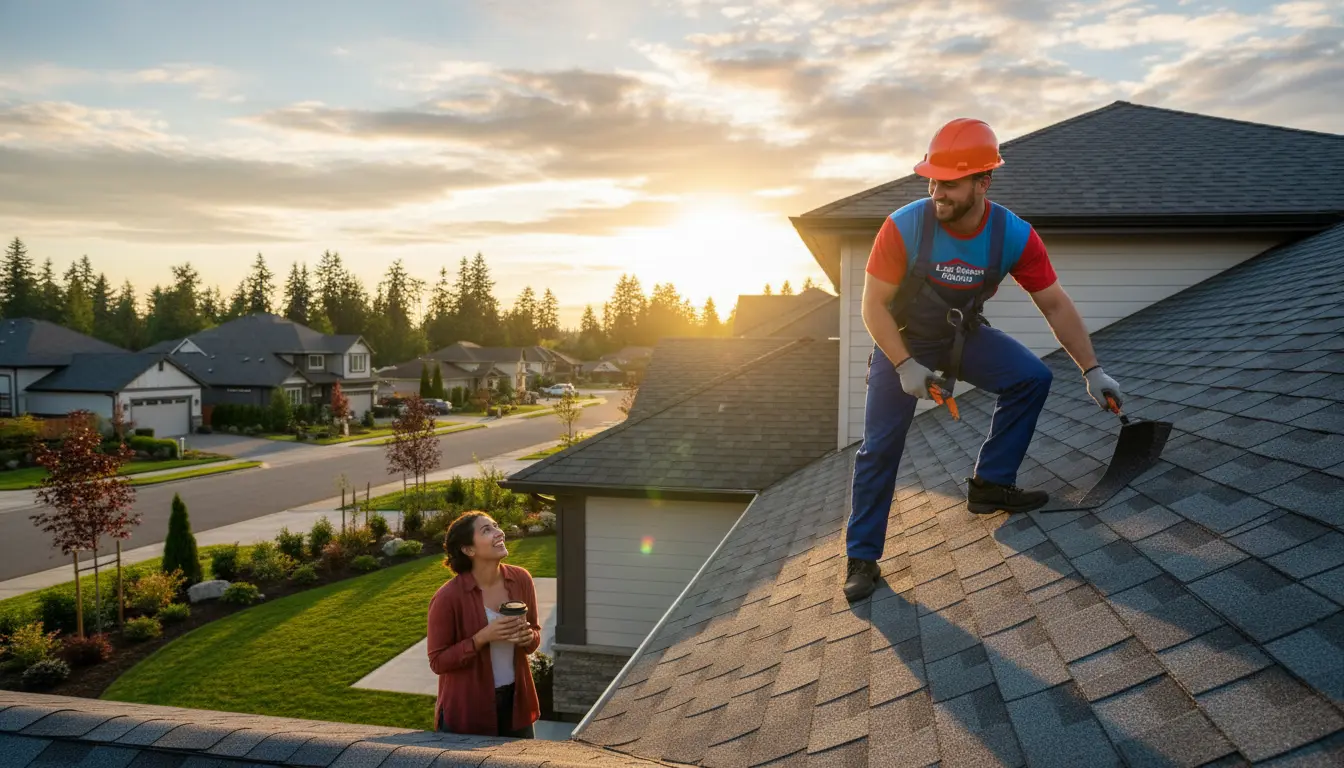
As I stood on the roof of a Lake Stevens home, gazing out at the misty rain-soaked landscape, I couldn’t help but think about the critical role that a well-maintained roof plays in protecting a home from the elements. The Pacific Northwest is known for its heavy rainfall and strong winds, making it essential for homeowners to choose the most energy-efficient roofing materials for their homes. A roof that is designed to withstand the harsh weather conditions of the Pacific Northwest can help to reduce energy costs, prevent damage, and ensure the safety and comfort of those inside.
The primary keyword, most energy-efficient roofing materials for Pacific Northwest homes, is a crucial consideration for homeowners in this region. With the rising cost of energy and the increasing awareness of the importance of energy efficiency, it’s no wonder that homeowners are looking for ways to reduce their energy consumption and lower their utility bills. One of the most effective ways to achieve this is by installing a roof that is designed to be energy-efficient. In this article, we’ll explore the most energy-efficient roofing materials for Pacific Northwest homes, including their benefits, drawbacks, and installation considerations.
At Lake Stevens Roofing, we understand the importance of a well-maintained roof and the role that it plays in protecting a home from the elements. As a premier roofing service provider in the area, we’ve seen firsthand the damage that can be caused by a poorly maintained roof. That’s why we’re committed to providing our customers with the highest quality roofing materials and installation services available. Whether you’re looking to replace your existing roof or install a new one, we’ve got the expertise and experience to get the job done right.
Understanding the Importance of Energy-Efficient Roofing Materials
Energy-efficient roofing materials are designed to reduce the amount of heat that is transferred into a home, keeping it cooler in the summer and warmer in the winter. This can help to reduce energy costs, as well as prevent damage to the roof and the home’s interior. Some of the most energy-efficient roofing materials available include asphalt shingles, metal roofing, and clay tiles. Each of these materials has its own unique benefits and drawbacks, which we’ll explore in more detail below.
Asphalt shingles are one of the most popular roofing materials used in the Pacific Northwest. They’re durable, affordable, and easy to install, making them a great option for many homeowners. However, they can be prone to damage from heavy rainfall and strong winds, which can reduce their energy efficiency. Metal roofing, on the other hand, is a highly durable and energy-efficient option that can withstand even the harshest weather conditions. It’s also resistant to damage from moss and algae, which can be a problem in the Pacific Northwest.
Benefits of Energy-Efficient Roofing Materials
There are many benefits to using energy-efficient roofing materials, including reduced energy costs, increased durability, and improved safety. Energy-efficient roofing materials can help to reduce the amount of heat that is transferred into a home, keeping it cooler in the summer and warmer in the winter. This can help to reduce energy costs, as well as prevent damage to the roof and the home’s interior. Additionally, energy-efficient roofing materials are often more durable and long-lasting than traditional roofing materials, which can help to reduce the need for repairs and replacements.
In addition to their practical benefits, energy-efficient roofing materials can also provide a number of aesthetic benefits. Many energy-efficient roofing materials are available in a variety of colors and styles, making it easy to find a material that complements the look and feel of your home. For example, you can learn more about the best roofing materials for WA weather and how to choose the right one for your home.
Installation Considerations
When it comes to installing energy-efficient roofing materials, there are a number of considerations to keep in mind. First and foremost, it’s essential to choose a qualified and experienced roofing contractor who has experience with energy-efficient roofing materials. A good contractor will be able to assess your home’s unique needs and recommend the best energy-efficient roofing material for your situation.
In addition to choosing the right contractor, it’s also important to consider the installation process itself. Energy-efficient roofing materials often require specialized installation techniques and materials, which can add to the overall cost of the project. However, the long-term benefits of energy-efficient roofing materials can far outweigh the initial cost. You can also visit our blog to learn more about the importance of proper roof ventilation and how it can impact the energy efficiency of your home.
Common Mistakes to Avoid
When it comes to energy-efficient roofing materials, there are a number of common mistakes that homeowners can make. One of the most common mistakes is failing to properly maintain the roof, which can reduce its energy efficiency and lead to damage. Another common mistake is choosing the wrong energy-efficient roofing material for your home’s unique needs and climate.
To avoid these mistakes, it’s essential to do your research and choose a qualified and experienced roofing contractor who can assess your home’s unique needs and recommend the best energy-efficient roofing material for your situation. You can also learn more about emergency roof repairs and how to protect your home from damage.
Pricing and Cost Considerations
The cost of energy-efficient roofing materials can vary widely, depending on the type and quality of the material, as well as the size and complexity of the installation. On average, energy-efficient roofing materials can cost anywhere from $3 to $15 per square foot, depending on the material and installation costs.
In addition to the initial cost of the materials, it’s also important to consider the long-term cost savings of energy-efficient roofing materials. Energy-efficient roofing materials can help to reduce energy costs, as well as prevent damage to the roof and the home’s interior. This can help to reduce the need for repairs and replacements, which can save you money in the long run. You can also learn more about 2024 roofing trends and how they can impact the energy efficiency of your home.
Safety and Standards
When it comes to energy-efficient roofing materials, safety and standards are of the utmost importance. Energy-efficient roofing materials must meet strict safety and performance standards, which can vary depending on the type and quality of the material.
In addition to meeting safety and performance standards, energy-efficient roofing materials must also be installed in accordance with local building codes and regulations. This can help to ensure that the roof is safe and durable, as well as energy-efficient. You can also learn more about what questions to ask before hiring a roofing company and how to ensure that your roof is installed safely and efficiently.
FAQs
What are the most energy-efficient roofing materials available?
The most energy-efficient roofing materials available include asphalt shingles, metal roofing, and clay tiles. Each of these materials has its own unique benefits and drawbacks, which can vary depending on the type and quality of the material, as well as the size and complexity of the installation.
How much do energy-efficient roofing materials cost?
The cost of energy-efficient roofing materials can vary widely, depending on the type and quality of the material, as well as the size and complexity of the installation. On average, energy-efficient roofing materials can cost anywhere from $3 to $15 per square foot, depending on the material and installation costs.
What are the benefits of energy-efficient roofing materials?
The benefits of energy-efficient roofing materials include reduced energy costs, increased durability, and improved safety. Energy-efficient roofing materials can help to reduce the amount of heat that is transferred into a home, keeping it cooler in the summer and warmer in the winter. This can help to reduce energy costs, as well as prevent damage to the roof and the home’s interior.
How do I choose the right energy-efficient roofing material for my home?
To choose the right energy-efficient roofing material for your home, it’s essential to consider your home’s unique needs and climate. You should also research different types of energy-efficient roofing materials and consult with a qualified and experienced roofing contractor who can assess your home’s unique needs and recommend the best energy-efficient roofing material for your situation. You can also learn more about how long a roof replacement takes during the rainy season and how to plan for your roof replacement project.
Conclusion
In conclusion, energy-efficient roofing materials are a great way to reduce energy costs, increase durability, and improve safety. By choosing the right energy-efficient roofing material for your home’s unique needs and climate, you can help to reduce your energy costs and prevent damage to your roof and home’s interior. At Lake Stevens Roofing, we’re committed to providing our customers with the highest quality energy-efficient roofing materials and installation services available. Contact us today to learn more about our energy-efficient roofing materials and to schedule a consultation with one of our experienced roofing contractors. You can also visit our contact page to get in touch with us and learn more about our services.